Rain Barrel Benefits Pueblo CO: How Mr. J’s Gutters Helps You Harvest Rainwater the Right Way
Key Takeaways
Rain barrels are legal in Colorado under state law that took effect in 2016, allowing homeowners to use up to two rain barrels with a combined storage of 110 gallons—typically two 55-gallon barrels connected to your gutter system.
Mr. J’s Gutters and Dropspouts in Pueblo, CO specializes in connecting rain barrels to existing gutters and downspouts for safe, efficient rainwater collection that protects your foundation.
Properly installed rain barrels reduce water bills, control water runoff around foundations, and support water conservation during Pueblo’s hot, dry summers when watering restrictions are common.
Collected rainwater in Colorado may only be used for landscape purposes on the property from which it was collected, making it ideal for lawn and garden irrigation.
Ready to get started? Call Mr. J’s Gutters at (719) 725‑4441 or request an estimate online for rain barrel–ready gutter and downspout setups.
Rain Barrels in Pueblo, CO: Why They Matter
Pueblo sits in a semi-arid region where annual precipitation averages just 12.8 inches—and about 70% of that rain falls between June and September in intense thunderstorms. When summer temperatures regularly exceed 90°F, Pueblo Water often implements watering restrictions limiting outdoor irrigation to specific days and times.
A rain barrel is a container—commonly a 55-gallon plastic drum—connected to a downspout to capture rainwater from your roof. This simple rain water harvesting system collects water that would otherwise flow across your yard, driveway, and into storm drains.
For a typical 1,500-square-foot Pueblo roof, just half an inch of rain yields approximately 116 gallons of runoff. That’s enough to nearly fill two rain barrels and provide free water to irrigate your garden during restriction periods.
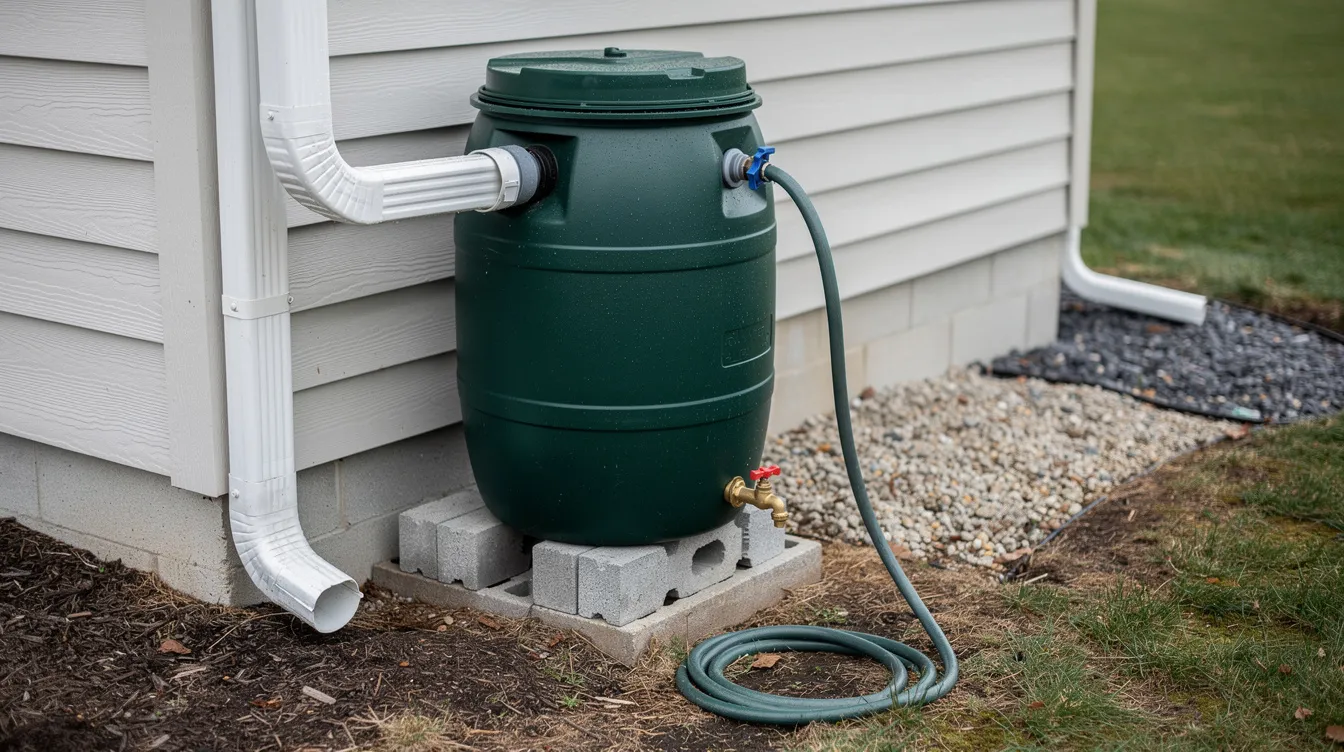
Mr. J’s Gutters and Dropspouts designs gutter and downspout layouts that maximize safe rainwater collection while protecting your foundation from erosion. To schedule a rain-barrel-friendly gutter inspection, call (719) 725‑4441.
Colorado Rain Barrel Laws and Rules (Updated for 2026)
Rainwater collection from residential roofs became legal in Colorado in 2016 under Senate Bill 16-011. Before this, Colorado’s prior appropriation system made intercepting precipitation illegal because all water—including rain falling on your roof—was considered part of downstream water rights.
Here’s what Pueblo homeowners need to know:
Requirement |
Details |
|---|---|
Maximum barrels |
Two rain barrels per residential property |
Combined storage |
110 gallons total (e.g., two 55-gallon barrels) |
Water source |
Residential rooftop only |
Permitted use |
Outdoor purposes on the same property |
These regulations apply to single-family residences and multi-family properties with four or fewer units, limiting the number of rain barrels and total storage capacity allowed per property.
Colorado statutes allow certain residential properties with a well permit to collect more than 110 gallons of rainwater, provided they meet specific criteria outlined in state law. If you have an exempt well, check with the Colorado Division of Water Resources about expanded options.
The state’s rainwater harvesting pilot projects under House Bill 23-1120 tested larger systems in new subdivisions. These pilot projects conclude on July 1, 2026, reverting those properties to standard rules unless new legislation extends them.
Mr. J’s Gutters doesn’t provide legal advice, but we design gutter and downspout connections so your rain barrels work within Colorado water law requirements.
Practical Benefits of Rain Barrels for Pueblo Homeowners
Rain barrels conserve water by collecting rainwater that would otherwise run off roofs, allowing for storage and reuse in irrigation, which reduces reliance on municipal water supplies. For Pueblo homeowners, the benefits stack up quickly.
Lower Water Bills
Using rain barrels can significantly decrease household water consumption, as they provide a free source of water for landscaping and gardening needs. At Pueblo Water’s tiered rates of $4.50-$7.00 per 1,000 gallons, two barrels can offset $20-40 in summer water bills while keeping your lawn, vegetable garden, and xeriscape beds thriving during watering restrictions.
Foundation Protection
Capturing water runoff at downspouts reduces soil erosion near foundations, helps keep basements and crawlspaces drier, and protects concrete walks from constant splashback. Pueblo’s expansive clay soils are prone to erosion—and unmanaged runoff contributes to 40% of local foundation claims according to insurer data.
Environmental Impact
Collecting rainwater keeps it from becoming stormwater runoff that can pick up pollutants as it flows to the nearest storm drain, thus protecting water quality. Stormwater pollution occurs when runoff collects trash, pet waste, chemicals, and other pollutants as it flows through our community, ultimately ending up in local waterways without treatment.
Implementing rainwater harvesting systems, such as rain barrels, can significantly reduce the volume of stormwater runoff, thereby minimizing the potential for pollution. Pueblo contributes about 20% of Fountain Creek’s urban runoff, so every barrel helps protect water resources in the Arkansas River basin.
Have your gutters and downspouts evaluated for rain barrel compatibility—request an estimate online from Mr. J’s Gutters.
Choosing the Right Rain Barrel (Size, Style, and Safety)
Selecting the right barrel matters for both performance and compliance with Colorado’s 110-gallon limit.
Size Recommendations
A 55-gallon barrel is the most practical choice for Pueblo homes. Two barrels at opposite corners of your house capture 20% more runoff than a single central unit, and they stay within legal limits.
Material and Safety
Choose UV-stabilized, food-grade plastic barrels (NSF/ANSI 61 certified). Avoid containers that previously held hazardous chemicals—even traces can contaminate harvested rainwater intended for your plants.
Features to Look For
Screened inlets with fine mesh (6-mesh stainless steel blocks 99% of mosquitoes)
Overflow ports directing excess water away from foundations
Sealable lid to prevent debris, evaporation, and standing water issues
Brass spigot positioned 4-6 inches from the bottom for easy bucket or hose access
Properly located holes for spigots and overflow facilitate easy access, cleaning, and efficient water flow
Weight Considerations
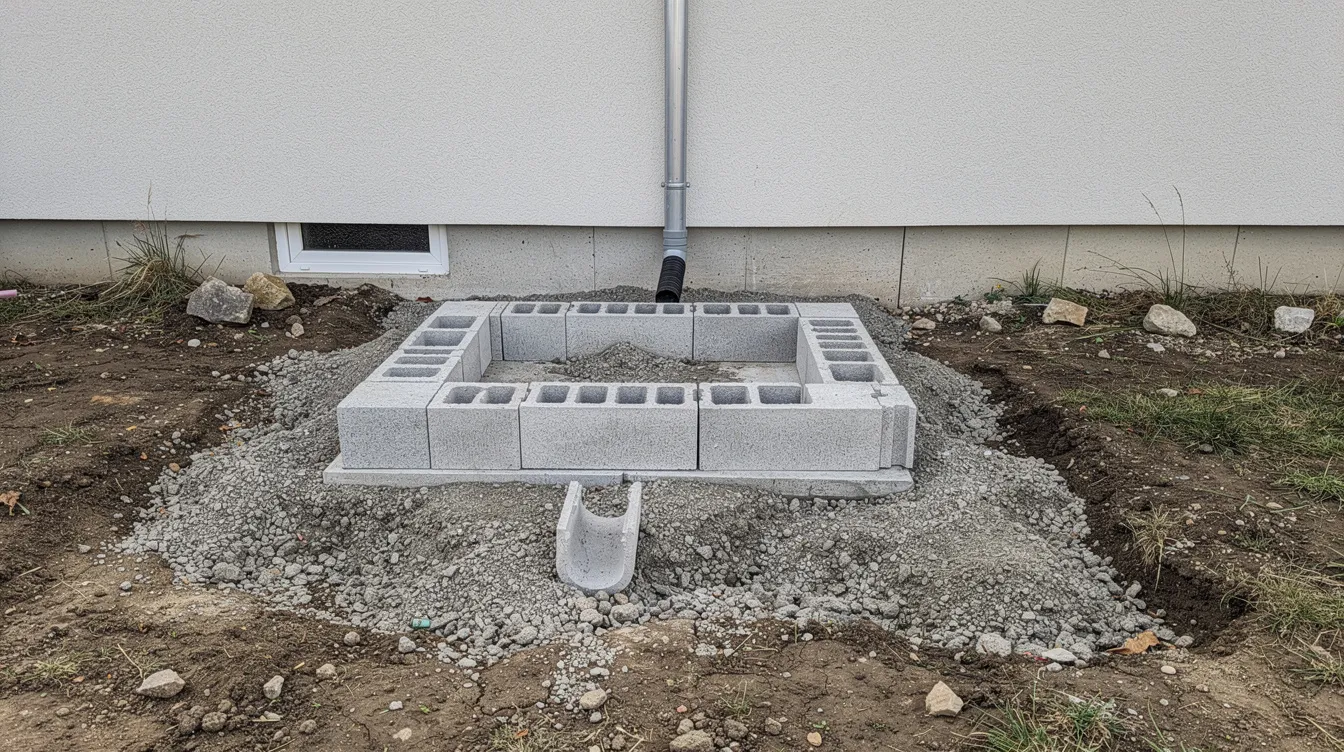
A full 55-gallon barrel weighs close to 467 pounds. A rain barrel should be placed on a sturdy base to ensure it can support the weight of the water, which can be up to 500 pounds when full. Four concrete blocks provide adequate support.
Need guidance selecting barrels compatible with your current gutter and dropspout system? Call (719) 725‑4441.
Where to Put Your Rain Barrel: Working with Gutters and Downspouts
Barrel placement is just as important as barrel size. Your gutters and downspouts must be in good shape for effective rainwater capture.
Choosing the Right Location
When installing a rain barrel, it is important to choose a location that allows for easy access to the spigot and is close to a downspout for efficient water collection. Select a spot that:
Receives runoff from a large roof section (south or east-facing walls often work best)
Sits on level ground at least 5 feet from your foundation
Avoids low spots that could become muddy or unstable
Elevating Your Barrel
Place barrels on a raised base—concrete blocks or a custom platform—elevated 4-6 inches. This increases water pressure to 5-10 psi at the spigot, making it easier to fill a bucket or connect a hose for lawn irrigation.
Gutter and Downspout Requirements
Downspouts may need to be cut, redirected, or fitted with diverters to safely route water into the barrel while allowing overflow to move away from your house. Gutters should maintain proper slope—5 inches per 10 feet—to deliver full flow.
Mr. J’s Gutters and Dropspouts can:
Inspect and repair sagging or leaking gutters before adding a barrel
Adjust downspout angles and heights for barrel compatibility
Install dropspouts and extensions that safely handle overflow during Pueblo’s intense storms
Schedule professional downspout service for your rain barrel installation.
Installation Basics for a 55-Gallon Rain Barrel
Here’s a high-level overview of the installation process:
General Steps
Confirm local rules and measure the downspout height relative to your planned barrel base
Build or position a level base capable of supporting a full barrel’s weight
Cut and fit the downspout or diverter according to manufacturer instructions
To install a rain barrel, you typically need to drill a spigot hole and a fill hole, connect a hose to the downspout using a diverter, and test the system for leaks before use
Safety Precautions
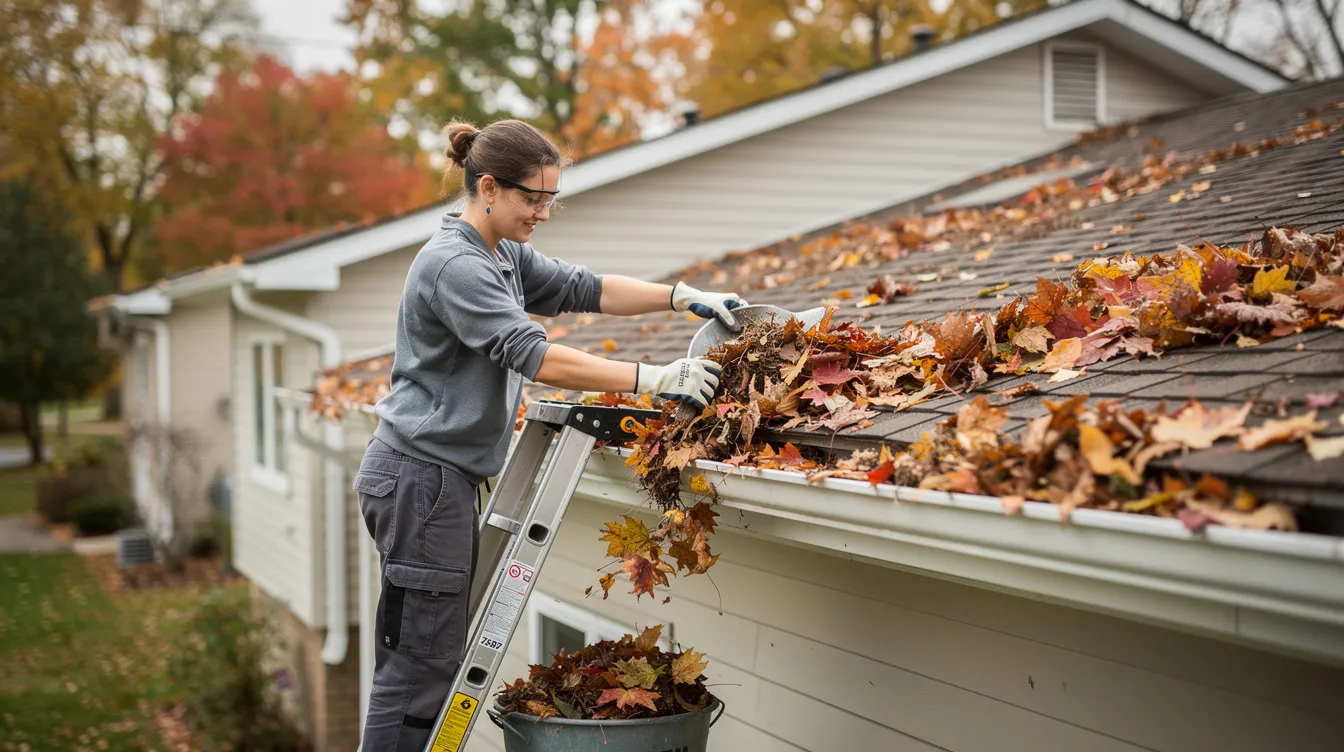
Wear safety glasses, gloves, and closed-toe shoes when cutting metal or plastic downspouts
Follow the 1:4 ladder extension rule—ladder slips cause 81% of gutter-related injuries
Ensure gutters are clean and in good repair before connecting a barrel
When to Call a Professional
If you’re not comfortable cutting downspouts or working at heights, contact Mr. J’s Gutters at (719) 725‑4441 for professional installation. We modify gutters and dropspouts daily and can ensure your system collects water safely.
Ongoing Care and Maintenance of Rain Barrels and Gutters
Pueblo’s dust, cottonwood fluff, and leaf debris will gradually collect in your system. Regular maintenance keeps everything flowing.
Seasonal Maintenance Checklist
Season |
Tasks |
|---|---|
Spring |
Clean gutters, confirm all fittings are tight, flush barrel with diluted bleach solution (1:100 ppm chlorine) before watering season |
Mid-Summer |
Check for algae growth, inspect mosquito screens, look for leaks after thunderstorms |
Fall |
Empty and clean barrels, detach or open diverters before freezing weather, schedule gutter cleaning |
Common Issues to Watch
Mosquito breeding in open barrels without proper screens
Sediment buildup near spigots reducing flow
Barrel shifting if the base settles after heavy rain
Impermeable surfaces directing extra ground water toward your barrel base
Never use captured water for drinking water or indoor household purposes—rooftop runoff can contain bird droppings, asphalt particulates, and other contaminants. Stick to outdoor purposes like garden watering and car washing on your property.
Coordinate rain barrel maintenance with Mr. J’s regular gutter cleaning and inspection services. Book your checkup online.
How Mr. J’s Gutters and Dropspouts Supports Rainwater Harvesting in Pueblo
Mr. J’s Gutters and Dropspouts connects Pueblo homeowners with practical rainwater collection solutions built on reliable gutter systems.
Services That Support Rain Barrels
Gutter Installation: Designing seamless aluminum gutter systems that direct roof runoff to ideal barrel locations
Gutter Repair and Emergency Service: Fixing leaks, storm damage, and sagging sections that prevent reliable water capture
Gutter Cleaning: Removing debris so water flows freely into downspouts and barrels
Gutter Guards: Reducing clogs and sediment so harvested rainwater stays cleaner
Downspout Services: Customizing downspout routing and extensions for one or two 55-gallon barrels while preserving safe drainage
Mr. J’s is locally based in Pueblo, Colorado. We understand regional precipitation patterns, soil conditions, and the needs of both traditional lawn landscapes and xeriscape plantings. Whether you’re looking to fill your first barrel or optimize an existing rain garden setup, we can inspect your gutters and recommend upgrades to make them rain-barrel ready.
Ready to start harvesting rainwater? Call (719) 725‑4441 today to discuss your gutter and rain barrel plans, or send us a message online for a fast estimate.
Frequently Asked Questions About Rain Barrels in Pueblo, CO
Are rain barrels legal at my Pueblo home, and how much rainwater can I store?
Rain barrels are legal at most Colorado residential properties, including in Pueblo, under state law effective since 2016. Homeowners may use up to two barrels with a combined capacity of 110 gallons—typically two 55-gallon units connected to gutters and downspouts. Properties with certain well permits may have expanded options. Confirm details with the Division of Water Resources or local authorities if you have questions about your specific situation under the priority system.
Can I drink water from my rain barrel or use it indoors?
Water collected from residential roofs using rain barrels is intended for outdoor use only under Colorado regulations. This includes watering lawns, flowers, shrubs, and vegetable gardens. Rooftop runoff can contain pollutants from bird waste, roofing materials, and atmospheric deposits. This collected water should never be used for drinking, cooking, livestock watering, or indoor plumbing. Rain barrels are not designed as drinking water or potable water systems.
What size rain barrel is best for Pueblo’s climate and my gutters?
A 55-gallon barrel is the most common and practical size for Pueblo homes. It balances capture capacity with weight concerns and keeps you within the 110-gallon legal maximum. Your roof size, number of downspouts, and planting needs all matter—some properties benefit from two barrels at different corners. If you’re unsure about size and placement, Mr. J’s Gutters can evaluate your current system and recommend barrel-friendly locations that maximize how much water you collect.
Do I need to change my gutters or downspouts to add a rain barrel?
Some homes can connect a barrel directly to an existing downspout, while others benefit from adjustments like new dropspouts, diverters, or flow redirection. Gutters should be properly sloped (about 5 inches per 10 feet), securely fastened, and free of leaks to make rainwater harvesting worthwhile. If your gutters sag or overflow during storms, you’ll want those issues fixed first. Contact Mr. J’s Gutters and Dropspouts for a professional assessment—we’ll determine whether simple modifications or more extensive repairs are needed for your property.
What happens to my rain barrel in winter in Pueblo?
Pueblo’s winter freezes mean barrels should be drained and disconnected—or set to bypass mode—before sustained freezing temperatures arrive (generally when nighttime lows drop below 28°F). Open valves so any remaining water can drain, and store hoses indoors. Your gutters and downspouts should remain clear to handle snowmelt and winter precipitation. Coordinate winterization with Mr. J’s fall gutter cleaning to prepare your entire roof drainage system for cold weather. In spring, replace seals and reconnect your system before the main rain season begins.
Make Your Gutters Rain-Barrel Ready
Save on water bills, protect your foundation, and conserve water year-round. Schedule a rain-barrel-ready gutter inspection with Mr. J’s today.